Installing solar panels can help Massachusetts homeowners generate clean electricity, reduce their reliance on the utility grid, and potentially lower long-term energy costs. However, many homeowners are unsure what happens during a residential solar installation.
From the initial property assessment to system activation, understanding each step can make the process easier and more straightforward.
What Is Residential Solar Installation?
Residential solar installation is the process of designing and installing a solar energy system for a home. The system typically includes solar panels, an inverter, mounting equipment, electrical components, and monitoring equipment.
The size and design of the system depend on your home’s energy usage, roof condition, available sunlight, and electricity needs.
Step 1: Schedule a Solar Home Assessment
The process typically begins with a professional assessment of your property. The installer evaluates your roof, available sunlight, electrical system, and current energy consumption.
This helps determine whether your property is suitable for solar and what type of system may be appropriate.
Step 2: Design Your Residential Solar Installation
After evaluating your property, the solar provider develops a system design based on your energy needs.
The design considers factors such as
- Roof size and orientation
- Shading from trees or nearby structures
- Annual electricity consumption
- Solar panel placement
- Electrical system requirements
A properly designed system can help maximize solar production.
Step 3: Review Solar Costs and Incentives
Before installation begins, homeowners can review the expected project cost and available solar incentives or financing options.
Massachusetts homeowners may have access to state programs and utility-related incentives depending on their location and system eligibility.
Understanding these options can help you estimate the overall cost of your solar investment.
Step 4: Complete Permits and Approvals
Solar installations generally require permits and utility approval before the system can be installed and connected to the grid.
Your solar installer can help manage the required documentation and coordinate with the appropriate local authorities and utility company.
Step 5: Install the Solar Panels
Once approvals are complete, the installation team can begin the physical work.
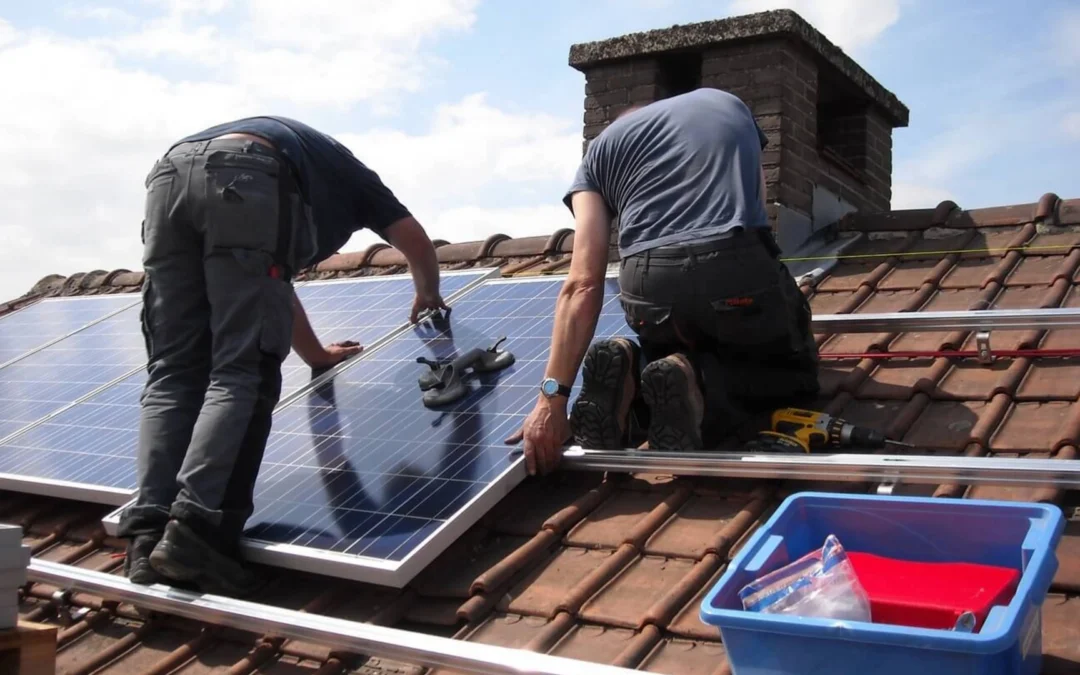
The process typically includes installing the mounting system, securing the solar panels, connecting electrical components, and installing the inverter and monitoring equipment.
Professional installation helps ensure the system is installed correctly and safely.
Step 6: Inspection and Utility Connection
After installation, the system may need to be inspected by the appropriate authority. The utility company may also need to approve the system before it can operate as a grid-connected solar installation.
Once the required approvals are complete, the system can be activated.
Step 7: Monitor Your Residential Solar Installation
After activation, homeowners can monitor their system’s electricity production through a monitoring platform or app, depending on the equipment installed.
Monitoring can help you understand how much energy your system produces and identify unusual changes in performance.
Benefits of Residential Solar Installation
Installing solar can provide several potential benefits for Massachusetts homeowners:
- Reduced reliance on grid electricity
- Potential long-term energy savings
- Increased energy independence
- Clean renewable energy generation
- Better visibility into household energy production
Your actual savings depend on system size, electricity usage, utility rates, solar production, financing, and applicable incentives.
Why Choose East Coast Renewable Energy for Residential Solar Installation?
At East Coast Renewable Energy, we help Massachusetts homeowners transition to solar with solutions designed around their property’s energy needs.
Our team can help with system planning, equipment selection, installation, and guidance throughout the project. We focus on reliable residential solar installation and practical renewable energy solutions for Massachusetts homeowners.
Get a Free Estimate for Residential Solar Installation
Thinking about switching to solar? Contact East Coast Renewable Energy today for a free estimate. Our team can evaluate your home, discuss your solar options, and help you understand what a residential solar installation could look like for your property.