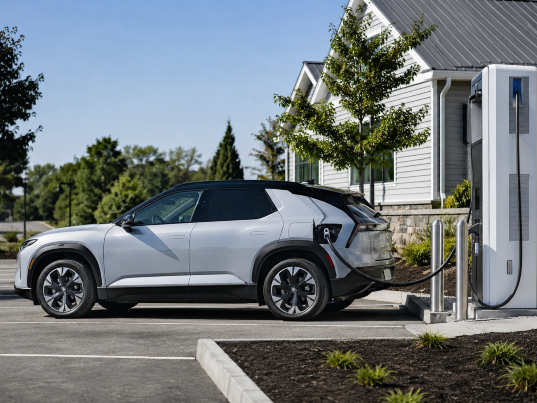
As electric vehicle adoption continues to grow across Massachusetts, convenient charging is becoming increasingly important for EV drivers. A DC fast charging station in MA can charge compatible electric vehicles much faster than standard Level 1 or Level 2 chargers, making it a practical option for road trips, commuters, and businesses serving EV customers.
Whether you’re an EV driver looking for faster charging or a business considering an EV charging installation, understanding how DC fast charging works can help you choose the right solution.
What Is a DC Fast Charging Station in MA?
A DC fast charger supplies direct current directly to an EV’s battery, allowing the vehicle to charge much faster than traditional AC charging.
Unlike Level 1 and Level 2 chargers, which deliver AC electricity that the vehicle converts to DC, DC fast charging sends DC power directly to the battery. This allows compatible EVs to add significant range in a relatively short period.
How Does a DC Fast Charging Station Work?
When an EV is connected to a DC fast charger, the station communicates with the vehicle to determine the appropriate charging rate. The charger then delivers DC electricity directly to the battery.
Charging speed depends on several factors, including:
- Vehicle battery capacity
- State of charge
- Vehicle charging capability
- Charger power output
- Battery temperature
- Charging conditions
Most EVs also slow their charging rate as the battery gets closer to full to protect battery health.
How Fast Is a DC Fast Charging Station in MA?
DC fast charging can provide substantially more power than standard home charging. Depending on the vehicle and charger, an EV may gain a significant amount of driving range during a short charging stop.
However, charging times vary by vehicle and charger. Drivers should check their vehicle manufacturer’s specifications to determine the maximum charging speed their EV can accept.
DC Fast Charging Station vs. Level 2 Charging
Both charging options have an important role in EV infrastructure.
Level 2 charging is generally suitable for homes, workplaces, apartments, and locations where vehicles remain parked for several hours.
DC fast charging is better suited to locations where drivers need to recharge quickly, such as
- High-traffic commercial properties
- Highway corridors
- Retail centers
- Restaurants
- Fleet facilities
- Public parking areas
The right option depends on how long vehicles typically remain at your property and the charging demand you expect.
Benefits of a DC Fast Charging Station in MA
Installing or using a DC fast-charging station in MA can provide several advantages.
Faster Charging
The biggest benefit is reduced charging time compared with conventional charging methods.
Convenient for Long-Distance Travel
Fast charging makes it easier for EV drivers to recharge during longer trips without extended stops.
Supports Growing EV Demand
As more drivers switch to electric vehicles, accessible fast-charging infrastructure can help meet increasing demand.
Business Opportunity
Businesses can attract EV drivers by offering convenient charging while customers shop, dine, work, or use other services.
Where Are DC Fast Charging Stations Most Useful?
Location plays an important role in the success of a fast-charging station. High-traffic areas with sufficient electrical capacity can be particularly suitable.
Potential locations include:
- Shopping centers
- Hotels
- Office buildings
- Restaurants
- Gas stations
- Highway-adjacent properties
- Municipal parking facilities
- Fleet and transportation facilities
A professional site assessment can help determine whether a property is suitable for DC fast charging.
What to Consider Before Installing a DC Fast Charging Station in MA?
Businesses and property owners should consider several factors before installation.
Electrical Capacity
DC fast chargers can require significantly more electrical capacity than Level 2 equipment. Your property’s existing electrical infrastructure should be evaluated before installation.
Charger Power
Available charger power should match the expected charging demand and site capabilities.
EV Connector Compatibility
Different EVs can use different charging standards. Choosing appropriate equipment helps ensure compatibility with the vehicles you expect to serve.
Installation Location
The charger should be easy for drivers to access while allowing sufficient space for vehicles to enter, park, and exit safely.
Why Choose East Coast Renewable Energy for EV Charging in Massachusetts?
At East Coast Renewable Energy, we help Massachusetts businesses and property owners develop EV charging solutions based on their location, electrical capacity, and charging needs.
Our team can help with site evaluation, equipment selection, and professional installation of EV charging infrastructure. Whether you need Level 2 charging or a DC fast charging station in MA, we can help you plan a practical solution for your property.
Get a Free Estimate for a DC Fast Charging Station in MA
Ready to add fast EV charging to your Massachusetts property? Contact East Coast Renewable Energy today for a free estimate. Our team can evaluate your property and help you determine the right charging solution for your business or facility.