by Nick Valorie | Sep 24, 2026 | Solar Installation
Installing solar panels can help Massachusetts homeowners generate clean electricity, reduce their reliance on the utility grid, and potentially lower long-term energy costs. However, many homeowners are unsure what happens during a residential solar installation.
From the initial property assessment to system activation, understanding each step can make the process easier and more straightforward.
What Is Residential Solar Installation?
Residential solar installation is the process of designing and installing a solar energy system for a home. The system typically includes solar panels, an inverter, mounting equipment, electrical components, and monitoring equipment.
The size and design of the system depend on your home’s energy usage, roof condition, available sunlight, and electricity needs.
Step 1: Schedule a Solar Home Assessment
The process typically begins with a professional assessment of your property. The installer evaluates your roof, available sunlight, electrical system, and current energy consumption.
This helps determine whether your property is suitable for solar and what type of system may be appropriate.
Step 2: Design Your Residential Solar Installation
After evaluating your property, the solar provider develops a system design based on your energy needs.
The design considers factors such as
- Roof size and orientation
- Shading from trees or nearby structures
- Annual electricity consumption
- Solar panel placement
- Electrical system requirements
A properly designed system can help maximize solar production.
Step 3: Review Solar Costs and Incentives
Before installation begins, homeowners can review the expected project cost and available solar incentives or financing options.
Massachusetts homeowners may have access to state programs and utility-related incentives depending on their location and system eligibility.
Understanding these options can help you estimate the overall cost of your solar investment.
Step 4: Complete Permits and Approvals
Solar installations generally require permits and utility approval before the system can be installed and connected to the grid.
Your solar installer can help manage the required documentation and coordinate with the appropriate local authorities and utility company.
Step 5: Install the Solar Panels
Once approvals are complete, the installation team can begin the physical work.
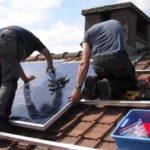
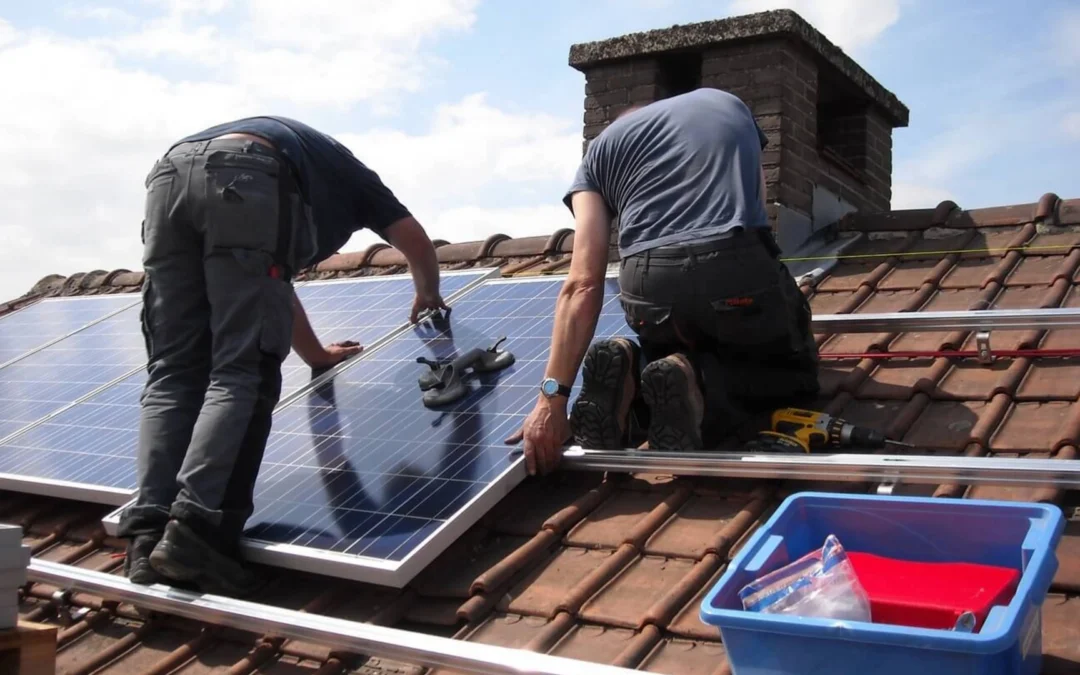
The process typically includes installing the mounting system, securing the solar panels, connecting electrical components, and installing the inverter and monitoring equipment.
Professional installation helps ensure the system is installed correctly and safely.
Step 6: Inspection and Utility Connection
After installation, the system may need to be inspected by the appropriate authority. The utility company may also need to approve the system before it can operate as a grid-connected solar installation.
Once the required approvals are complete, the system can be activated.
Step 7: Monitor Your Residential Solar Installation
After activation, homeowners can monitor their system’s electricity production through a monitoring platform or app, depending on the equipment installed.
Monitoring can help you understand how much energy your system produces and identify unusual changes in performance.
Benefits of Residential Solar Installation
Installing solar can provide several potential benefits for Massachusetts homeowners:
- Reduced reliance on grid electricity
- Potential long-term energy savings
- Increased energy independence
- Clean renewable energy generation
- Better visibility into household energy production
Your actual savings depend on system size, electricity usage, utility rates, solar production, financing, and applicable incentives.
Why Choose East Coast Renewable Energy for Residential Solar Installation?
At East Coast Renewable Energy, we help Massachusetts homeowners transition to solar with solutions designed around their property’s energy needs.
Our team can help with system planning, equipment selection, installation, and guidance throughout the project. We focus on reliable residential solar installation and practical renewable energy solutions for Massachusetts homeowners.
Get a Free Estimate for Residential Solar Installation
Thinking about switching to solar? Contact East Coast Renewable Energy today for a free estimate. Our team can evaluate your home, discuss your solar options, and help you understand what a residential solar installation could look like for your property.
by Nick Valorie | Sep 17, 2026 | EV Charging
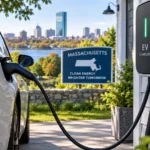
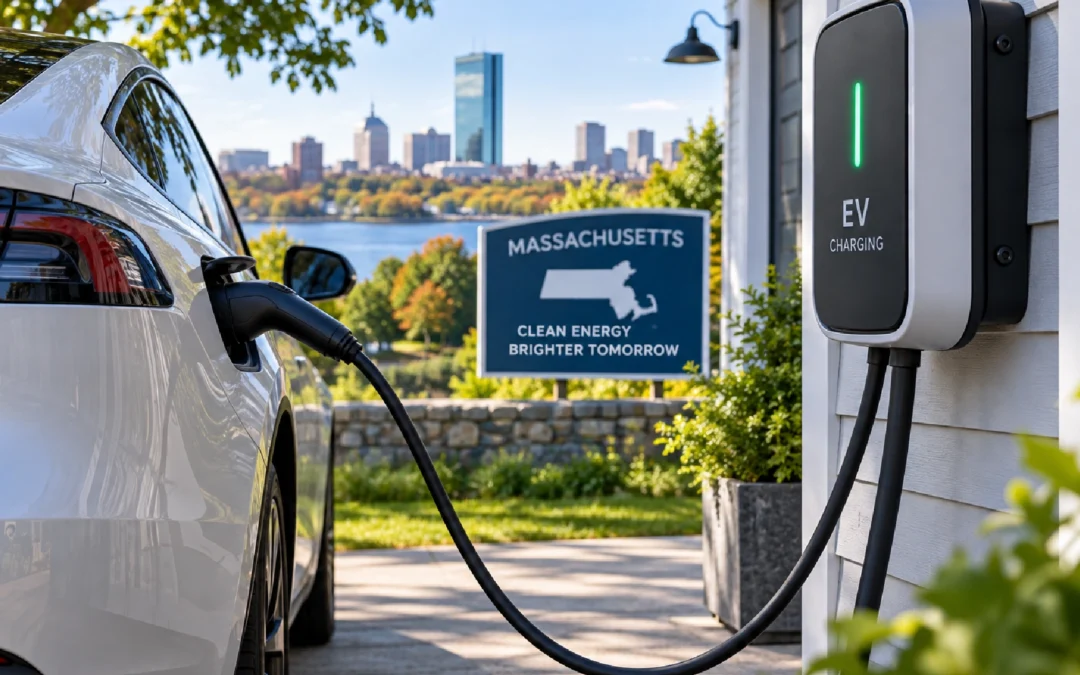
As electric vehicles become more common across Massachusetts, reliable charging infrastructure is becoming increasingly important for homes, businesses, workplaces, and commercial properties. EV Charging Station Installation in MA provides a convenient way to charge electric vehicles while supporting the growing demand for accessible charging.
Whether you are a homeowner, business owner, property manager, or fleet operator, understanding the installation process can help you choose the right charging solution.
What Is EV Charging Station Installation in MA?
EV Charging Station Installation in MA involves selecting, installing, and connecting charging equipment to provide electricity to electric vehicles. The right system depends on your property’s electrical capacity, available space, vehicle types, and expected charging needs.
Common charging options include Level 1, Level 2, and DC fast charging.
Types of EV Charging Stations in MA
Level 1 Charging
Level 1 chargers use a standard electrical outlet and are suitable for vehicles that can remain plugged in for extended periods. They are often used for basic residential charging.
Level 2 Charging
Level 2 chargers provide faster charging than Level 1 and are commonly used in homes, workplaces, apartments, retail locations, and commercial properties.
DC Fast Charging
DC fast chargers can provide much faster charging and are generally suited to commercial locations, public charging sites, fleets, and high-traffic areas where shorter charging times are important.
What to Consider Before EV Charging Station Installation in MA?
Before starting EV Charging Station Installation in MA, several factors should be evaluated:
- Electrical capacity: Your electrical system must support the charger.
- Charger type: Choose equipment based on charging speed and vehicle requirements.
- Location: The station should be convenient and accessible.
- Usage: Consider how many vehicles will use the charger.
- Future needs: Plan for increasing EV adoption and charging demand.
A professional site assessment can help identify the most practical installation approach.
Benefits of EV Charging Station Installation in MA
Installing an EV charging station can provide several benefits for property owners and businesses:
- Convenient charging for EV drivers
- Support for workplace and fleet electrification
- Improved customer and employee experience
- Potential additional revenue opportunities
- Support for sustainability initiatives
For businesses, providing EV charging can also make a property more attractive to customers and tenants who drive electric vehicles.
How Does EV Charging Station Installation in MA Work?
The process typically begins with an evaluation of your property and electrical system. The appropriate charging equipment and installation location are then selected.
After planning, the required electrical work and equipment installation are completed. The system is tested to ensure it operates properly and safely.
Professional EV Charging Station Installation in MA helps ensure your charging equipment is properly integrated with your property’s electrical infrastructure.
EV Charging Station Installation in MA for Homes and Businesses
Charging requirements vary depending on the property.
Homeowners may prefer Level 2 charging for convenient overnight charging.
Businesses and commercial properties may need multiple Level 2 stations or DC fast chargers depending on traffic, parking duration, and expected demand.
Fleet operators may require dedicated charging infrastructure designed around vehicle schedules and operational requirements.
Why Choose East Coast Renewable Energy for EV Charging Station Installation in MA?
At East Coast Renewable Energy, we help Massachusetts homeowners and businesses find practical EV charging solutions. Our team can evaluate your property, electrical capacity, charging requirements, and installation needs.
We provide reliable EV Charging Station Installation in MA designed to make charging more convenient while supporting your property’s current and future energy needs.
Get a Free Estimate for EV Charging Station Installation in MA
Ready to install an EV charging station? Contact East Coast Renewable Energy today for a free estimate. Our team can help you determine the right charging solution for your Massachusetts home, business, or commercial property.
by Nick Valorie | Sep 10, 2026 | Cooling Tower
Cooling towers play an important role in many commercial and industrial buildings. They help remove excess heat from HVAC and industrial systems, allowing equipment to operate efficiently and maintain comfortable indoor conditions.
Understanding how a cooling tower works helps building owners identify maintenance needs, improve system performance, and manage energy costs.
What Is a Cooling Tower?
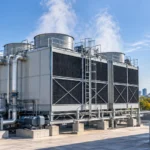
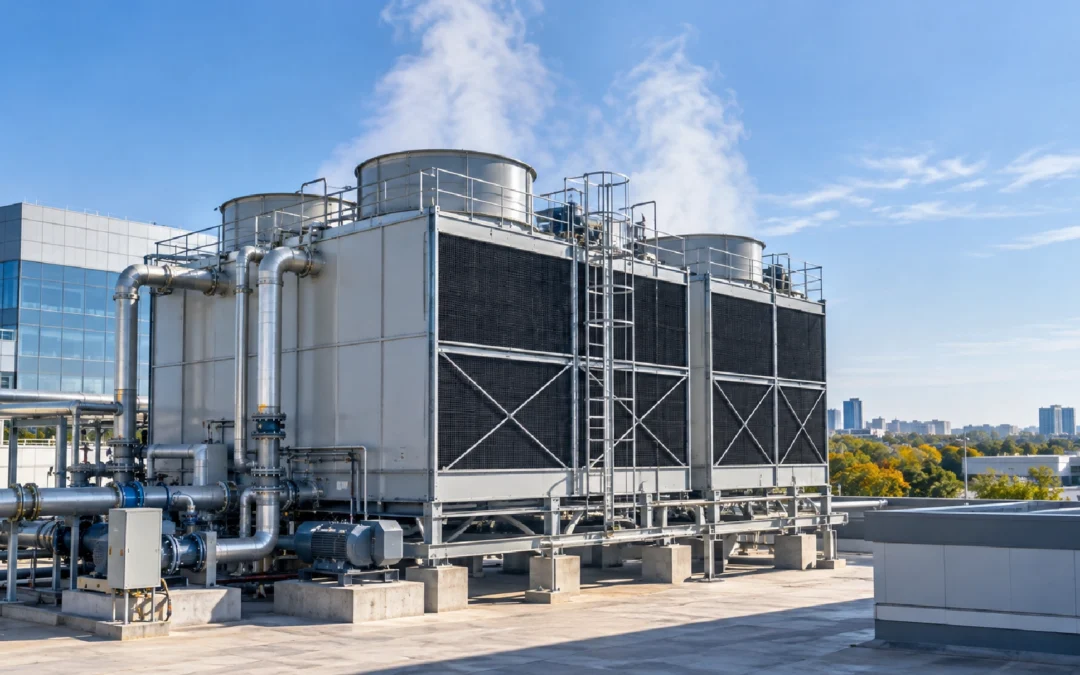
A cooling tower is a heat-rejection system that removes heat from water used in commercial HVAC or industrial processes. Heated water enters the tower and is exposed to air. A small portion of the water evaporates, carrying heat away from the system.
The cooled water is then returned to the building’s cooling system to absorb more heat.
How Does a Cooling Tower Work?
The basic cooling tower process involves several steps:
- Warm water enters the cooling tower after absorbing heat from the building or equipment.
- Water is distributed over fill material inside the tower.
- Fans or natural airflow move air through the tower.
- A small amount of water evaporates, removing heat from the remaining water.
- Cooled water collects in the basin.
The cooled water is pumped back into the system.
This continuous cycle allows the cooling system to reject unwanted heat efficiently.
What Are the Main Components of a Cooling Tower?
A cooling tower consists of several important components that work together.
Fill Material
Fill increases the surface area available for water and air to interact, improving heat transfer.
Fans
Mechanical-draft cooling towers use fans to move air through the system and support evaporation.
Water Distribution System
Nozzles or other distribution equipment spread warm water across the fill material.
Basin
The basin collects cooled water before it is circulated back through the cooling system.
Drift Eliminators
Drift eliminators help reduce the amount of water droplets carried out of the tower with the exhaust air.
Types of Cooling Towers
Commercial buildings commonly use different cooling tower designs based on their application and available space.
Open-Circuit Cooling Towers
These systems circulate water directly through the tower, where it comes into contact with moving air.
Closed-Circuit Cooling Towers
Closed-circuit systems keep the process fluid inside coils while water and air provide the cooling effect outside the coils.
Mechanical-Draft Cooling Towers
These towers use fans to control airflow and provide consistent cooling performance.
Why Cooling Tower Maintenance Matters
Regular maintenance is important for reliable cooling tower operation. Dirt, scale, corrosion, biological growth, and worn components can reduce efficiency and affect performance.
Routine maintenance can help:
- Improve heat-transfer efficiency
- Reduce energy consumption
- Prevent unexpected breakdowns
- Extend equipment life
- Maintain reliable cooling performance
Signs Your Cooling Tower Needs Service
Building owners should watch for changes in cooling tower performance. Warning signs may include unusual noises, poor cooling, excessive water loss, visible scale or corrosion, and increased energy consumption.
Addressing these issues early can help prevent more costly repairs and downtime.
Why Choose East Coast Renewable Energy for Cooling Tower Services?
At East Coast Renewable Energy, we provide reliable energy and equipment solutions for commercial properties. Our team can help businesses evaluate cooling tower performance, identify efficiency concerns, and determine appropriate service or improvement options.
We focus on practical solutions that help commercial facilities improve system performance, manage energy use, and maintain reliable operations.
Get a Free Estimate for Cooling Tower Services
Is your commercial cooling system operating inefficiently? Contact East Coast Renewable Energy today for a free estimate. Our team can help evaluate your cooling tower and recommend solutions designed around your building’s needs.
by Nick Valorie | Sep 3, 2026 | Solar Panel Repair
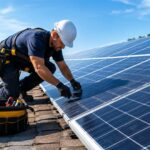
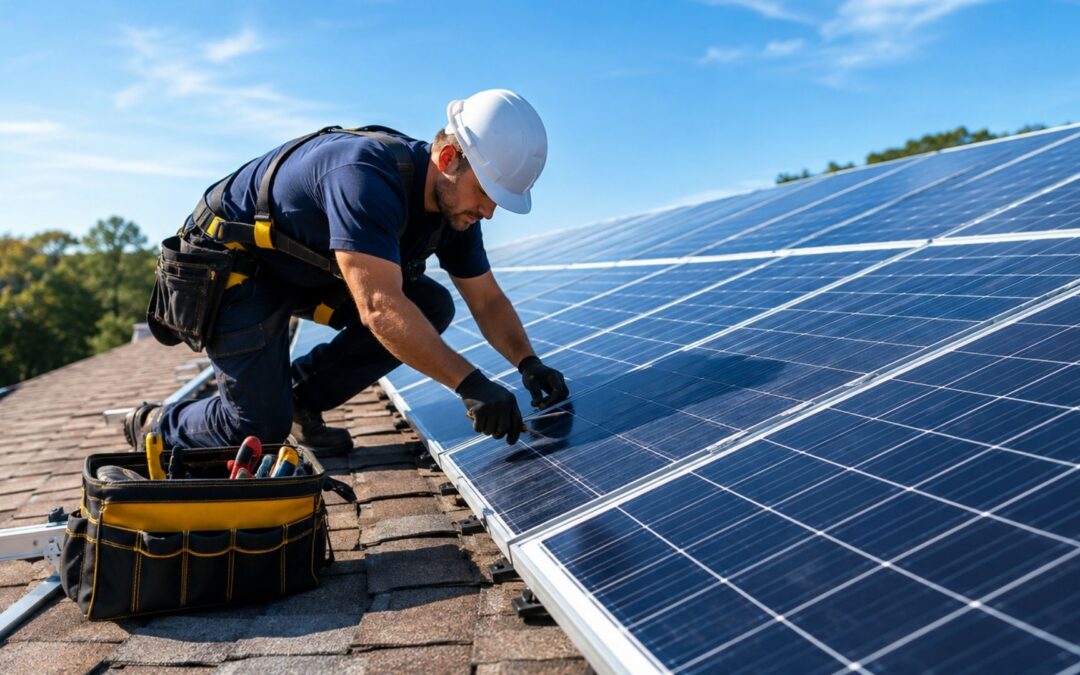
Solar panels are designed to provide reliable energy for many years, but weather, aging components, and electrical issues can affect system performance. If your solar system is producing less electricity than expected, professional solar panel repair in MA can help identify and address the problem.
For Massachusetts homeowners, timely repairs can help maintain energy production, protect your investment, and prevent minor issues from becoming more expensive problems.
Common Reasons for Solar Panel Repair in MA
Solar systems can experience different types of problems over time. Common issues include:
- Cracked or damaged solar panels
- Loose or damaged wiring
- Inverter problems
- Water or moisture damage
- Reduced energy production
A professional inspection can determine the cause and recommend the appropriate repair.
Signs You May Need Solar Panel Repair in MA
Your solar system may need attention if you notice a sudden drop in electricity production or unusual system behavior.
Watch for signs such as:
- Lower-than-usual energy output
- Error messages from the inverter
- Visible panel damage
- Loose or exposed wiring
- Unusual sounds from system components
Addressing these signs early can help prevent further damage.
How Weather Can Affect Solar Panels in Massachusetts
Massachusetts homes experience snow, ice, strong winds, rain, and changing temperatures throughout the year. Severe weather can place stress on panels, wiring, mounting equipment, and other system components.
Regular inspections and professional Solar Panel Repair in MA can help keep your system operating properly after significant weather events.
Solar Panel Repair vs. Solar Panel Replacement
Not every solar problem requires replacing the entire system. Minor electrical, connection, inverter, or mounting issues may be repairable.
A professional evaluation can determine whether repairing an individual component or replacing a damaged panel is the more practical option. The right approach depends on the system’s age, condition, warranty coverage, and overall performance.
Benefits of Professional Solar Panel Repair in MA
Professional repairs can help homeowners:
- Restore solar energy production
- Improve system performance
- Protect other system components
- Extend the useful life of the installation
- Avoid unnecessary replacement costs
Having repairs completed by qualified professionals can also help ensure the system continues operating safely.
Why Choose East Coast Renewable Energy for Solar Panel Repair in MA?
At East Coast Renewable Energy, we help Massachusetts homeowners maintain reliable solar systems. Our team can inspect your system, identify potential problems, and recommend practical repair solutions based on its condition.
We focus on quality workmanship, dependable service, and solutions designed to help homeowners get the most from their solar investment.
Get a Free Estimate for Solar Panel Repair in MA
If your solar system isn’t performing as expected, don’t ignore the warning signs. Contact East Coast Renewable Energy today for a free estimate for Solar Panel Repair in MA. Our team can evaluate your system and help determine the right next step for restoring reliable solar performance.
by Nick Valorie | Aug 27, 2026 | EV Charging
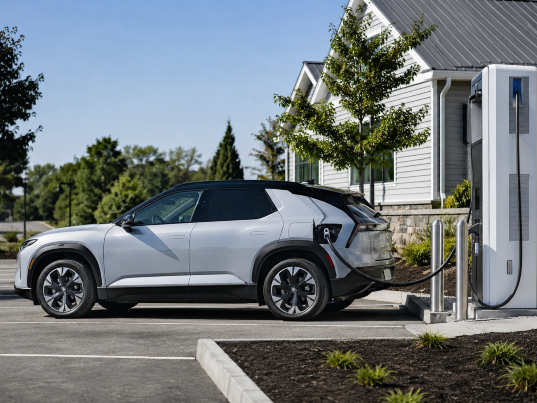
As electric vehicle adoption continues to grow across Massachusetts, convenient charging is becoming increasingly important for EV drivers. A DC fast charging station in MA can charge compatible electric vehicles much faster than standard Level 1 or Level 2 chargers, making it a practical option for road trips, commuters, and businesses serving EV customers.
Whether you’re an EV driver looking for faster charging or a business considering an EV charging installation, understanding how DC fast charging works can help you choose the right solution.
What Is a DC Fast Charging Station in MA?
A DC fast charger supplies direct current directly to an EV’s battery, allowing the vehicle to charge much faster than traditional AC charging.
Unlike Level 1 and Level 2 chargers, which deliver AC electricity that the vehicle converts to DC, DC fast charging sends DC power directly to the battery. This allows compatible EVs to add significant range in a relatively short period.
How Does a DC Fast Charging Station Work?
When an EV is connected to a DC fast charger, the station communicates with the vehicle to determine the appropriate charging rate. The charger then delivers DC electricity directly to the battery.
Charging speed depends on several factors, including:
- Vehicle battery capacity
- State of charge
- Vehicle charging capability
- Charger power output
- Battery temperature
- Charging conditions
Most EVs also slow their charging rate as the battery gets closer to full to protect battery health.
How Fast Is a DC Fast Charging Station in MA?
DC fast charging can provide substantially more power than standard home charging. Depending on the vehicle and charger, an EV may gain a significant amount of driving range during a short charging stop.
However, charging times vary by vehicle and charger. Drivers should check their vehicle manufacturer’s specifications to determine the maximum charging speed their EV can accept.
DC Fast Charging Station vs. Level 2 Charging
Both charging options have an important role in EV infrastructure.
Level 2 charging is generally suitable for homes, workplaces, apartments, and locations where vehicles remain parked for several hours.
DC fast charging is better suited to locations where drivers need to recharge quickly, such as
- High-traffic commercial properties
- Highway corridors
- Retail centers
- Restaurants
- Fleet facilities
- Public parking areas
The right option depends on how long vehicles typically remain at your property and the charging demand you expect.
Benefits of a DC Fast Charging Station in MA
Installing or using a DC fast-charging station in MA can provide several advantages.
Faster Charging
The biggest benefit is reduced charging time compared with conventional charging methods.
Convenient for Long-Distance Travel
Fast charging makes it easier for EV drivers to recharge during longer trips without extended stops.
Supports Growing EV Demand
As more drivers switch to electric vehicles, accessible fast-charging infrastructure can help meet increasing demand.
Business Opportunity
Businesses can attract EV drivers by offering convenient charging while customers shop, dine, work, or use other services.
Where Are DC Fast Charging Stations Most Useful?
Location plays an important role in the success of a fast-charging station. High-traffic areas with sufficient electrical capacity can be particularly suitable.
Potential locations include:
- Shopping centers
- Hotels
- Office buildings
- Restaurants
- Gas stations
- Highway-adjacent properties
- Municipal parking facilities
- Fleet and transportation facilities
A professional site assessment can help determine whether a property is suitable for DC fast charging.
What to Consider Before Installing a DC Fast Charging Station in MA?
Businesses and property owners should consider several factors before installation.
Electrical Capacity
DC fast chargers can require significantly more electrical capacity than Level 2 equipment. Your property’s existing electrical infrastructure should be evaluated before installation.
Charger Power
Available charger power should match the expected charging demand and site capabilities.
EV Connector Compatibility
Different EVs can use different charging standards. Choosing appropriate equipment helps ensure compatibility with the vehicles you expect to serve.
Installation Location
The charger should be easy for drivers to access while allowing sufficient space for vehicles to enter, park, and exit safely.
Why Choose East Coast Renewable Energy for EV Charging in Massachusetts?
At East Coast Renewable Energy, we help Massachusetts businesses and property owners develop EV charging solutions based on their location, electrical capacity, and charging needs.
Our team can help with site evaluation, equipment selection, and professional installation of EV charging infrastructure. Whether you need Level 2 charging or a DC fast charging station in MA, we can help you plan a practical solution for your property.
Get a Free Estimate for a DC Fast Charging Station in MA
Ready to add fast EV charging to your Massachusetts property? Contact East Coast Renewable Energy today for a free estimate. Our team can evaluate your property and help you determine the right charging solution for your business or facility.