by Nick Valorie | Aug 28, 2025 | EV Charging
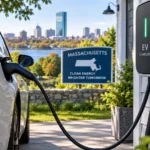
As electric vehicles (EVs) continue to grow in popularity, Massachusetts is rapidly becoming a hub for EV adoption and infrastructure. At East Coast Renewable Energy, we are committed to helping homeowners and businesses embrace this clean, efficient technology through professional EV charging installations across Massachusetts. Understanding emerging trends in EV charging is essential for anyone looking to invest in sustainable transportation.
Growth of EV Charging Across Massachusetts
Massachusetts has made significant strides in expanding EV charging networks, both for residential and public use. Cities like Boston, Worcester, and Springfield are increasingly equipped with Level 2 and fast-charging stations, making it more convenient than ever for residents to own an EV.
At East Coast Renewable Energy, we offer home EV charging installation services that allow Massachusetts residents to charge their vehicles safely and efficiently without relying solely on public stations. Learn more about our EV charging services to see how we can help you make the switch.
Emerging Innovations and Opportunities in EV Charging Across Massachusetts
The future of EV charging in Massachusetts is bright, with innovations such as ultra-fast charging, wireless charging, and smart-grid integration on the horizon. At East Coast Renewable Energy, we stay ahead of these trends to offer our customers the most advanced and efficient EV charging solutions. Whether you’re a homeowner or a business owner, investing in an EV charging station today prepares you for the sustainable transportation of tomorrow. Explore our EV charging installation services in Massachusetts to get started. Massachusetts is evolving rapidly as a leader in EV adoption and infrastructure. From residential charging solutions to workplace and commercial stations, the opportunities for sustainable transportation are growing every day. East Coast Renewable Energy is here to guide you through every step, providing professional installation and integration of EV charging systems across Massachusetts.
Residential EV Charging Trends in Massachusetts
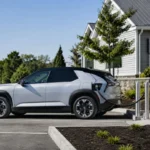
One major trend is the rise of home-based EV charging solutions. As EV ownership grows, more homeowners are opting to install dedicated charging stations in their garages or driveways. Benefits include faster charging times, lower electricity costs (especially when paired with solar energy), and increased property value.
By integrating solar panels with your EV charging system, Massachusetts residents can maximize energy efficiency and reduce environmental impact. Discover our solar and EV charging packages designed to meet your home’s unique needs.
Workplace and Commercial EV Charging
Businesses across Massachusetts are also embracing EV charging, recognizing it as a valuable perk for employees and customers. Offering on-site EV chargers encourages sustainable commuting and aligns your company with Massachusetts’ environmental goals.
East Coast Renewable Energy provides commercial EV charging installations tailored to businesses of all sizes. From shopping centers to office buildings, our team ensures that your charging stations are reliable, safe, and future-ready.
Government Incentives and Policies Driving EV Adoption
State incentives play a crucial role in shaping the future of EV charging across Massachusetts. Programs such as rebates for home chargers and tax credits for businesses installing commercial stations make it more affordable to adopt EV technology. Staying informed about these incentives helps residents and businesses take advantage of cost-saving opportunities.
Check out our EV charging consultation services to understand how you can benefit from Massachusetts’ incentives.
Invest in your future and the planet—contact us today to schedule your EV charging installation.
Contact Today

by Nick Valorie | Aug 20, 2025 | Solar Installation
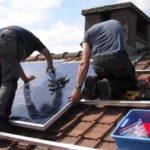
As energy costs continue to rise, more Massachusetts businesses are looking for ways to reduce expenses without sacrificing operations. One of the most effective long-term solutions is commercial solar installation in MA. At East Coast Renewable Energy, we help companies generate clean, renewable energy on their property, enabling them to reduce their monthly bills and secure predictable energy costs for years to come.
The Financial Benefits of Commercial Solar Installation in MA
Installing a commercial solar system isn’t just about going green—it’s about saving money. When your business produces its electricity, you rely less on utility companies and avoid unpredictable rate hikes. In many cases, companies see a noticeable reduction in their energy bills within the first month of operation.
- Some of the biggest cost-saving factors include:
- Reduced Dependence on the Grid – Generate your electricity and minimize utility usage.
- Peak Demand Savings – Use stored solar power during high-demand hours when rates are highest.
- Net Metering in Massachusetts – Earn credits for excess energy sent back to the grid.
- Long-Term ROI – Solar panels can last 25+ years, giving you decades of energy savings.
Incentives That Boost Your Savings with East Coast Renewable Energy’s Commercial Solar Installation in MA
Massachusetts offers some of the most attractive solar incentives in the country, making commercial solar installation in MA even more affordable. Programs like the Solar Massachusetts Renewable Target (SMART) program, federal tax credits, and accelerated depreciation can significantly reduce your upfront investment.
Our team at East Coast Renewable Energy guides you through these incentives, ensuring you maximize your savings from day one.
Energy Independence for Your Business
By producing your clean energy, you’re no longer at the mercy of utility companies and fluctuating rates. Pairing solar panels with battery storage allows you to store excess power for use at night or during outages, further reducing costs and increasing reliability. (Learn more about our battery storage solutions in MA and how they complement your solar system.)
Why Choose East Coast Renewable Energy?
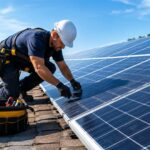
As a trusted Massachusetts-based renewable energy company, we design and install custom solar systems tailored to your business needs. From initial consultation to final installation, we ensure your system is built for maximum performance, efficiency, and savings.
Get Started with Commercial Solar Installation in MA
Lower your utility bills and secure your business’s energy future with East Coast Renewable Energy’s commercial solar installation in MA. Our experts are ready to design a cost-effective solar solution for your property.
Contact Today

by Nick Valorie | Aug 7, 2025 | EV Charging
As electric vehicles (EVs) continue to gain popularity across Massachusetts, the demand for reliable and accessible EV charging stations is skyrocketing. Installing an EV charging station in MA offers a range of advantages. At East Coast Renewable Energy, we specialize in solar installation and EV charging station solutions in Massachusetts—helping residents of the state move toward a cleaner, more energy-efficient future.
Why Install an EV Charging Station in MA?
1. Support Massachusetts’ Green Energy Goals
Massachusetts has been a national leader in clean energy initiatives. By installing an EV charging station in MA, you’re directly contributing to the state’s push toward reducing greenhouse gas emissions. Whether paired with solar power or connected to the grid, EV chargers promote sustainable transportation and energy use.
2. Attract Eco-Conscious Customers and Tenants
If you own a commercial property, offering EV charging shows that your business values sustainability. Providing charging access can attract a growing group of environmentally conscious customers. It’s also a great selling point for retail, hospitality, and multi-unit housing developments.
3. Increase Property Value and Modern Appeal
EV charging stations are no longer just an extra amenity—they’re becoming an expectation. Installing one on your property can enhance your building’s modern image and increase its market value. Especially when paired with solar installation services, your property becomes even more energy-efficient and forward-thinking.
EV Charging Stations + Solar Installation = Maximum Efficiency
At East Coast Renewable Energy, we help clients combine EV charging infrastructure with solar energy systems for maximum sustainability and cost savings. When powered by solar panels, EV chargers rely on renewable energy, reducing electricity bills and your carbon footprint.
You can learn more about our solar installation services and how they work seamlessly with EV charging setups to deliver long-term value.
Cost Savings and Incentives for MA Residents
Several rebates and tax incentives are given for EV charging station installation in MA. Businesses may qualify for programs like MassEVIP. These incentives can significantly reduce installation costs.
Position Your Business as a Leader in Clean Energy
Installing an EV charger shows your customers and community that you’re serious about sustainability. In a state like Massachusetts, where clean energy innovation is thriving, staying ahead of the curve sets your business apart from the rest.
Ready to Install an EV Charging Station in MA?
Whether you’re a business looking to attract eco-conscious customers or a homeowner preparing for the future, East Coast Renewable Energy is here to help. We specialize in EV charging solutions and solar installation services across Massachusetts, offering tailored plans that meet your unique needs.
Contact us today to get a free consultation or learn more about our energy-efficient EV charging solutions in MA.
Contact Today

by Nick Valorie | Jul 31, 2025 | EV Charging
As electric vehicles (EVs) become increasingly popular across Massachusetts, the need for reliable, accessible EV charging stations is more important than ever. Whether you’re a business owner looking to install a commercial charger or a driver trying to understand your options, this guide from East Coast Renewable breaks down everything you need to know about EV charging stations and how they function.
How Does an EV Charging Station Work?
At its core, an EV charging station is a piece of equipment that supplies electrical power to recharge electric vehicles. Similar to how a gas station pumps fuel into a traditional car, a charging station delivers electricity to your EV’s battery through a specialized connector.
There are three main types of EV chargers, and each serves a different need:
Level 1 Charging (Standard Wall Outlet)
- Uses a regular 120V outlet
- Best for overnight, home charging
- Adds about 3–5 miles of range per hour
Level 2 Charging (Most Common for Businesses)
- Uses a 240V outlet
- Common in homes, commercial properties, and public stations
- Adds 20–25 miles of range per hour
- Ideal for shopping centers, office buildings, and restaurants
DC Fast Charging (For Rapid Refueling)
- High-powered direct current charger
- Charges 80% of battery in 30 minutes or less
- Perfect for highway rest stops and fleet operators
East Coast Renewable specializes in helping Massachusetts businesses choose the right charging solution based on traffic, customer needs, and property layout.
Why EV Charging Stations Matter in Massachusetts
Massachusetts is pushing hard toward clean energy and reducing carbon emissions. As more residents switch to EVs, having commercial EV charging stations in key locations can:
- Attract more foot traffic
- Boost brand image as a sustainable business
- Prepare your property for future regulations
Who Can Install EV Charging Stations?
While residential chargers are sometimes DIY-friendly, commercial EV charging stations require professional installation. At East Coast Renewable, we handle the full process—from site assessment and permitting to installation and maintenance.
Whether you’re a property manager, real estate developer, or business owner, we offer turnkey solutions customized for your site.
Ready to Power Up Your Business?
Installing an EV charging station in Massachusetts isn’t just a smart investment—it’s a step toward a cleaner future. East Coast Renewable is here to guide you every step of the way with expert service, sustainable solutions, and local experience.
Contact Us

by Nick Valorie | Jul 31, 2025 | EV Charging
As part of its ongoing commitment to sustainability, the town of Wrentham has made an exciting move by installing electric vehicle (EV) chargers at the Center School parking lot. This initiative, supported by companies like East Coast Renewable Energy, is aimed at making it more convenient for residents and visitors to access clean energy while helping to reduce the town’s carbon footprint. The article highlights the significance of this new installation, the benefits of EV chargers, and how this contributes to Wrentham’s broader environmental goals.
By installing these chargers, Wrentham is not only supporting electric vehicle owners but also leading the way in promoting greener alternatives for transportation. This installation serves as a key step toward a more sustainable, energy-efficient future for the community.
👉 Click here to read the full article and discover more about how this initiative is shaping Wrentham’s green future.