If you just bought an electric vehicle — or you’re about to — home charging is the first thing to sort out. Most Massachusetts homeowners go with a Level 2 EV charger: faster than a standard outlet, affordable to install, and eligible for utility rebates from Eversource and National Grid. Here’s exactly how the installation process works, from first call to first charge.
Step 1: Choose the Right Home EV Charger for Your Needs
Not all EV charging stations are the same. A Level 1 charger (standard 120V outlet) adds about 4–5 miles of range per hour — fine for plug-in hybrids, too slow for most EVs. A Level 2 charger runs on a 240V circuit and adds 20–30 miles per hour, meaning a full charge overnight.
For most Massachusetts homeowners, a Level 2 EVSE installation is the right call. Popular options include the ChargePoint Home Flex, JuiceBox 40, and Tesla Wall Connector. Your installer can advise on which unit fits your vehicle and panel.
Step 2: Check Your Electrical Panel Before Booking an EV Charger Installer
A Level 2 charger needs a dedicated 240V, 40–50 amp circuit. If your panel is older or already near capacity, you may need a panel upgrade before installation. A qualified EV charger installer in Massachusetts will assess this on-site or via a photo of your panel before quoting.
Don’t skip this step — panel upgrades add cost and time, and it’s better to know upfront.
Step 3: Get a Quote for EV Charging Station Installation in Massachusetts
EV charger installation cost in Massachusetts typically runs $500–$2,000 for a Level 2 unit, with most homes landing between $800–$1,200 all-in. Variables include run length from panel to garage, whether a panel upgrade is needed, and the charger unit itself.
Get at least two quotes. Ask each installer whether they handle the utility rebate paperwork — the best ones do.
Step 4: Apply for Massachusetts EV Charger Rebates
Before installation, check what’s available:
Eversource customers can claim a rebate on qualifying Level 2 EV charging stations. National Grid offers similar incentives for residential customers. MassEVIP covers commercial EV charger installation for businesses and fleets.
Your installer should know which rebates apply to your utility and equipment. If they don’t, that’s a red flag.
Step 5: Schedule Installation and Get Permitted
Home EV charger installation in Massachusetts requires a permit in most municipalities. A licensed electrician will pull the permit, complete the 240-volt EV charger installation, and arrange inspection. The job itself typically takes 2–4 hours once the permit is in hand.
After inspection, your utility may need to be notified — especially if you’re pairing the charger with a solar panel system.
Step 6: Plug In and Start Charging
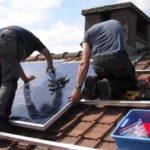
Once installation passes inspection, you’re done. Plug in overnight and your car is full by morning. If you have solar panels, a smart charger can be set to charge during peak production hours — cutting your cost to almost nothing.
Thinking about adding solar at the same time? The combination of home EV charging and solar is one of the fastest-growing setups in Massachusetts right now.
Ready to get your EV charger installed?
EC Renewable handles Level 2 EV charger installation across Massachusetts, including rebate paperwork and panel assessments. Contact us for a free quote.